Master Super Soft & Chewy Chocolate Chip Cookies: Expert Tips
The quest for the
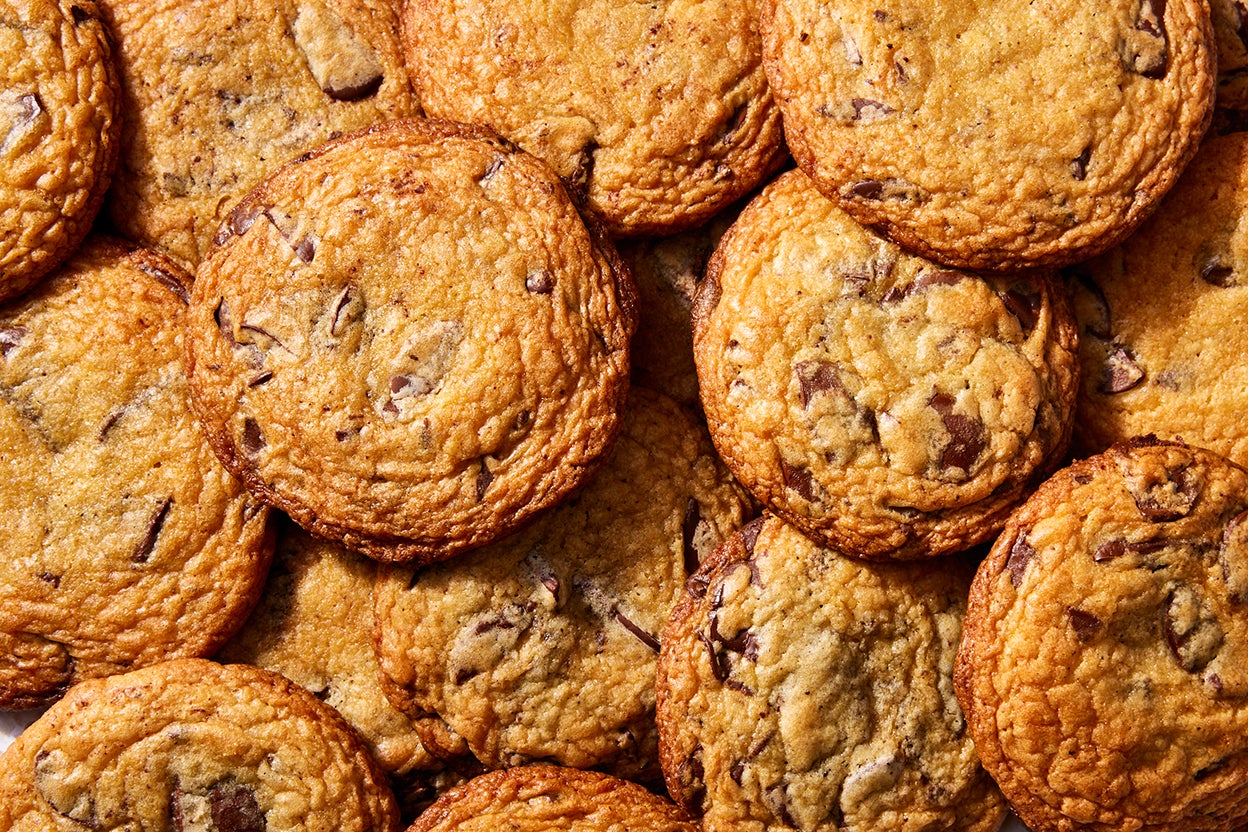
best chocolate chip cookies recipe is a culinary journey many embark on, seeking that elusive perfection: crisp, golden edges yielding to a super soft, incredibly chewy center, studded with abundant pockets of melty chocolate. If you've yearned for that iconic cookie experience, look no further. This comprehensive guide will equip you with expert insights and a fool-proof approach to bake truly unforgettable chocolate chip cookies, elevating your homemade treats to an unparalleled level of deliciousness. Get ready to impress!
The Secret to Irresistibly Soft & Chewy Cookies
Achieving that dreamy soft and chewy texture isn't magic; it's a careful balance of key ingredients and precise techniques. Each component plays a vital role in sculpting the cookie's final form and flavor profile.
The Power of Butter: Softened vs. Melted
Butter is the foundation of most great cookies. For super soft and chewy results, the state of your butter is paramount. While some classic recipes call for softened, room-temperature butter that's creamed until light and fluffy (contributing to crisp edges and a soft interior), an important secret to *guaranteed chewiness* often lies in using *melted butter*. Melted butter helps create a denser, chewier cookie by impacting the gluten structure and fat distribution differently than creamed butter. It promotes a more uniform spread, resulting in those desirable crinkly edges and a profoundly chewy bite. Ensure your melted butter is cooled slightly before mixing to avoid cooking the eggs.
Sugar's Dual Role: Brown vs. Granulated
The sugar ratio is another critical determinant of texture. You'll need both granulated (white) sugar and light brown sugar.
- Granulated Sugar: This provides the crispness around the edges and aids in spreading. It contributes to that delightful snap before you hit the chewy interior.
- Light Brown Sugar: This is your secret weapon for chewiness and moisture. Not only does it impart a subtle, rich molasses flavor that complements the chocolate beautifully, but its hygroscopic properties (meaning it attracts and retains moisture) are essential for that signature chewy texture. For the absolute chewiest chocolate chip cookies, aim for a ratio where you use *more brown sugar than white sugar*. This adjustment significantly boosts the moisture content and chew factor.
Leavening & Flavor Boosters: Baking Soda, Eggs & Vanilla
These seemingly small additions wield significant power over your cookie's success.
- Baking Soda: Crucial for the spread and the browning of your cookies, baking soda reacts with the acidic brown sugar to create gas, contributing to a soft, tender crumb without making the cookie cakey. *Never swap it for baking powder*, as baking powder produces more lift, resulting in a cake-like cookie rather than a dense, chewy one. Always check your baking soda's expiration date!
- Eggs: Eggs bind the ingredients together, providing structure and richness. The protein in the egg contributes to chewiness. For an *extra level of chewiness*, incorporating an additional egg yolk can make a profound difference. The yolk adds fat and emulsifiers without extra liquid, enhancing richness and preventing thin, overly crispy cookies.
- Cornstarch: A less common but highly effective ingredient for chewiness! Adding a small amount of cornstarch to your dry ingredients helps create an incredibly tender, soft, and chewy cookie that resists drying out. It's a game-changer for texture.
- Vanilla Extract: Use good quality vanilla extract. It's not just a background flavor; it rounds out and enhances the sweetness and chocolate notes, adding depth to every bite.
The Ultimate Chocolate Experience
What's a chocolate chip cookie without spectacular chocolate? Your choice of chocolate can dramatically impact the final flavor and texture.
- Variety is Key: Don't limit yourself to just one type! Semisweet chocolate chips are a classic, but consider using chocolate chunks for bigger pockets of melty goodness. You can also mix in milk chocolate, dark chocolate, or even white chocolate for a more complex flavor profile.
- Quality Matters: Invest in good quality chocolate. It melts better, tastes richer, and truly elevates your cookies from good to outstanding.
- Pressing Extra Chips: For that bakery-style appeal, press a few extra chocolate chips or chunks onto the tops of your scooped cookie dough balls before baking. This ensures beautiful pools of chocolate on the surface of the finished cookies.
Crafting Your Perfect Dough: Step-by-Step Guide
The method of mixing your ingredients is as important as the ingredients themselves. Follow these steps for flawless dough every time.
Preparing Your Dry Ingredients
In a medium bowl, whisk together your all-purpose flour, baking soda, cornstarch (if using), and salt. Whisking ensures these ingredients are evenly distributed, preventing pockets of unmixed leavener or salt in your cookies. The salt is crucial; it balances the sweetness and enhances all the other flavors. Consider a sprinkle of flaky sea salt *after* baking for an elegant finish and a delightful salty-sweet contrast.
Creaming for Perfection (or Combining for Chewy)
If using softened butter, you'll cream the butter with both brown and granulated sugars in the bowl of a stand mixer (with the paddle attachment) or a large bowl with a handheld electric mixer. Beat on medium-low speed until the mixture is very light and fluffy. This process incorporates air, contributing to a lighter texture.
However, if aiming for maximum chewiness with *melted butter*, you'll simply combine the slightly cooled melted butter with both sugars. You won't be "creaming" in the same airy sense, but rather blending until well combined and smooth.
Next, add your egg (and extra egg yolk, if using) and vanilla extract. Beat until just combined, scraping down the sides of the bowl to ensure everything is fully incorporated. Overmixing at this stage can develop too much gluten, leading to tougher cookies.
Incorporating Wet & Dry
With the mixer on low speed, gradually add the dry ingredient mixture to the wet ingredients. Mix *just until combined*. It's vital not to overmix the flour once it's introduced, as this can lead to dry, tough cookies. A few streaks of flour are acceptable; the final folds will take care of them.
The Final Fold: Chocolate Chips
Gently stir in your chocolate chips and chunks. You can do this by hand with a spatula to avoid overmixing. Distribute them evenly throughout the dough. Remember to save a few extra for pressing onto the tops of the cookie dough balls before baking!
Baking & Beyond: Achieving Golden Perfection
The baking process itself is the final frontier in your quest for the perfect soft and chewy chocolate chip cookie.
Scooping & Strategic Placement
Using a 1 ½-tablespoon cookie scoop ensures uniform cookies that bake evenly. Place the scooped cookie dough balls onto baking sheets lined with parchment paper or a silicone mat. This prevents sticking and promotes even browning. Space them out adequately, as they will spread. As mentioned earlier, don't forget to press a few extra chocolate chips onto the tops of each dough ball for that alluring visual appeal.
The Bake: Time and Temperature
Preheat your oven to 350°F (175°C). Bake for 12 to 14 minutes, or until the edges are golden brown and the centers still look slightly soft and underbaked. This "underbaking" is key to achieving a truly soft and chewy interior. Overbaking will lead to dry, crumbly cookies. For best results and consistent heat, bake one sheet at a time, rotating halfway through if your oven has hot spots.
Cooling & Finishing Touches
Immediately after removing them from the oven, if desired, sprinkle your hot cookies with flaky sea salt. The heat helps the salt adhere, creating a beautiful sparkle and an incredible flavor contrast. Let the cookies cool on the baking pan for 5 to 10 minutes. This allows them to set up without breaking, and the residual heat from the pan continues to cook them ever so slightly, contributing to a chewy texture. Then, transfer them to a wire cooling rack to cool completely.
Master Baker's Toolkit: Expert Tips for Success
Beyond the basic recipe, these insider tips will help you perfect your cookies every time.
To Chill or Not to Chill?
Many recipes swear by chilling cookie dough, and for good reason: it allows the flavors to meld, the flour to fully hydrate, and the butter to firm up, resulting in less spread and often a more complex flavor. However, some excellent recipes are developed to be baked immediately, offering instant gratification. If time allows, chilling the dough for at least 30 minutes (or even overnight) can enhance the flavor and texture, but it's not always strictly necessary for a fantastic cookie. You can still achieve delightful softness and chewiness without chilling if your recipe is formulated correctly, such as the one described here, which emphasizes the melted butter and brown sugar content. For a deeper dive into recipes that truly deliver fast, check out
Classic Chocolate Chip Cookies: Crisp Edges, Soft Centers, Ready Fast.
Freezing Dough for Future Indulgence
This
best chocolate chip cookies recipe is incredibly freezer-friendly! Make a double batch and enjoy warm, fresh cookies whenever the craving strikes. Scoop the dough into balls, place them on a parchment-lined baking sheet, and freeze until solid. Once frozen, transfer the dough balls to an airtight freezer-safe bag or container. You can bake them straight from frozen, adding a couple of extra minutes to the baking time. This convenience makes homemade cookies an everyday luxury! For more ideas on how to bake ahead, explore
The Ultimate Chocolate Chip Cookie Recipe: Soft, Chewy & Freezer-Friendly.
Flavor Variations & Mix-ins
Once you've mastered the basic recipe, feel free to experiment!
- Nuts: Toasted pecans or walnuts add a delightful crunch.
- Toffee Bits: For an extra layer of caramelized sweetness.
- Different Chocolates: White chocolate, butterscotch, or peanut butter chips can transform the flavor.
- Spices: A pinch of cinnamon or a dash of espresso powder can add warmth and depth.
Troubleshooting Common Cookie Woes
- Cookies Spreading Too Much: Your butter might have been too warm (especially if melted butter was supposed to be slightly cooled), your oven temperature might be too low, or you might have too much baking soda. Ensure your baking soda is fresh.
- Cookies Too Cakey: You likely used baking powder instead of baking soda, or too much baking powder. Also, overmixing the dough can develop too much gluten, leading to a cakier texture.
- Cookies Too Crispy/Hard: You've probably overbaked them. Remember to pull them when the centers still look slightly soft.
With these expert tips and a focus on quality ingredients and precise techniques, you are now fully equipped to bake the
best chocolate chip cookies recipe that delivers on its promise of unparalleled softness and chewiness. This isn't just a recipe; it's a foundation for baking perfection. So preheat your oven, gather your ingredients, and prepare to indulge in the most incredible homemade chocolate chip cookies you've ever tasted! Happy baking!